Call or Text Us Today!
(905) 689-7474

Our Office
Visit Us Online


At the office of City Smiles Dental, preserving your child's oral health is a thoughtful partnership between families and our dental team. We focus on practical prevention, calm, age-appropriate care, and clear guidance so children can grow confident smiles that support eating, speaking, and learning. Our approach balances clinical expertise with a warm, kid-friendly environment designed to reduce anxiety and build lifetime habits.
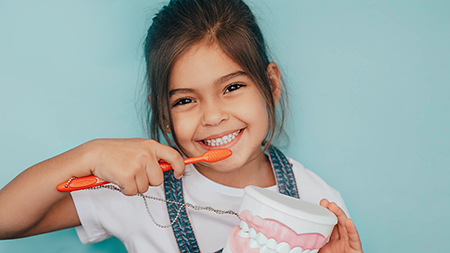
Healthy mouths begin long before the first permanent tooth arrives. Early routines—simple daily brushing, limiting prolonged exposure to sugary drinks, and regular professional checkups—create a foundation that protects teeth and supports overall well-being. When habits form early, children are more likely to adopt consistent oral care as they grow, reducing the chance of future problems.
We emphasize practical, doable strategies parents can use at home. That means recommending age-appropriate brushes and toothpaste amounts, showing caregivers how to assist with brushing and flossing, and giving encouragement techniques that make oral care a positive part of the day. Small, consistent actions are often more effective than infrequent, intensive efforts.
Beyond routine hygiene, our team monitors growth and development at each visit so that any emerging concerns are identified early. Early detection lets us suggest minimally invasive solutions and preventive measures that can avert more complex treatment down the road. This proactive stance keeps care less stressful for children and families while preserving natural teeth whenever possible.
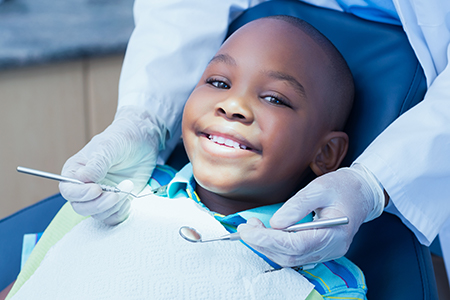
Regular dental exams are more than cleanings; they are checkpoints for growth and health. During a routine visit, we review your child's health history, examine the teeth and surrounding tissues, and assess jaw function and bite. These assessments give us a clear picture of oral development and help inform personalized recommendations for preventive care or further evaluation when needed.
Professional cleanings remove plaque and debris from areas children may miss with home brushing. We use gentle techniques and education-focused interactions that help children become comfortable with the dental setting. As children mature, we teach them practical skills for independent care, reinforcing good technique and encouraging responsibility in a supportive way.
When X-rays are needed, we use modern digital radiography to minimize exposure while providing a detailed view of what’s happening below the surface. These images help confirm the presence of cavities, assess tooth position, and monitor developing permanent teeth. With a clear diagnostic picture, we can recommend targeted preventive steps or treatments suited to your child's stage of growth.
Tooth decay is common but largely preventable. It develops when sugary residues and plaque are left on teeth long enough to allow bacteria to produce acids that demineralize enamel. Frequent snacking on sticky or sugary foods, prolonged bottle or sippy-cup use with juice or milk, and inconsistent brushing all raise the risk—especially in young children whose enamel is still forming.
Preventive care in our office focuses on practical defenses: effective home care, minimally invasive treatments, and protective measures such as topical fluoride and dental sealants when appropriate. These interventions strengthen enamel and shield vulnerable chewing surfaces, lowering the likelihood of cavities in both primary and newly erupted permanent teeth.
We also guide parents on behavior and routine adjustments that reduce decay risk—everything from recommended toothbrushing schedules to smart snack choices and safe sleep practices for infants. By combining clinical prevention with realistic at-home strategies, families can significantly reduce the chance of early childhood caries and the disruptions they cause.
Begin dental visits early—introduce the dentist by your child's first birthday or when the first tooth appears.
Make brushing a shared activity: caregivers should brush or supervise until children can reliably clean all surfaces.
Avoid putting babies to bed with milk or juice; water is the safest bedtime option to prevent prolonged sugar exposure.
Schedule regular checkups and cleanings to catch issues early and reinforce positive oral habits.
Lead by example—when children see adults prioritizing oral care, they are more likely to adopt the same routines.
Choose tooth-friendly snacks and reduce sticky, sugary treats; plain water is the best beverage between meals.
Help children transition away from pacifiers and thumb-sucking by the preschool years to support healthy dental alignment.
Protect active smiles: use a properly fitted mouthguard for contact or high-impact sports to reduce the risk of dental injury.

Infant oral care begins with simple steps—cleaning gums after feedings and introducing a soft brush as teeth erupt. Primary teeth are important for chewing, speech development, and space maintenance for permanent teeth, so keeping them healthy matters. A supportive, low-stress introduction to dental care helps babies and toddlers accept future visits more readily.
Teething can be uncomfortable, but there are safe, effective ways to soothe little ones: cool teething rings, gentle gum massage with a clean cloth, and comfort from caregivers. If you notice unusual swelling, discoloration, or excessive distress, contact us so we can assess the situation and rule out other concerns.
We encourage the first dental visit around the eruption of the first tooth or by the first birthday—whichever comes first. Early visits are short and focused on education and gentle examination. They give caregivers the chance to ask questions about feeding, pacifier use, brushing technique, and ways to prevent early decay.
As children enter school, their smiles change rapidly—new permanent teeth erupt, and facial structures develop. Regular dental exams track these shifts so we can identify bite or alignment concerns early. When needed, we discuss timing and options for orthodontic evaluation to ensure that treatment, if indicated, starts when it will be most effective.
Monitoring facial growth also helps our team spot habits that may affect development, such as prolonged thumb-sucking or an improper swallowing pattern. Addressing these issues early can simplify future care and reduce the need for more complex interventions later on.
We work with families to provide age-appropriate guidance for oral hygiene during the busy school years, including tips for maintaining a clean smile with braces or other appliances. Practical strategies—like selecting the right toothbrush, using interdental aids, and scheduling extra cleanings when appliances are present—help children protect their teeth through every stage of development.
Nutrition plays a central role in dental health. A balanced diet supplies the vitamins and minerals that support tooth and gum development, while frequent consumption of sugary or highly acidic foods increases the risk of cavities. Encouraging water between meals and offering whole foods rather than sticky snacks helps reduce prolonged acid exposure and supports overall growth.
We offer practical, family-friendly guidance on meal and snack choices that promote healthy teeth without making mealtimes stressful. Small changes, such as pairing a sweet treat with a protein or choosing crunchy fruits and vegetables that stimulate saliva, can make a measurable difference in oral health over time.
In every interaction, our goal is to equip families with clear, realistic tools—clinical and practical—so children develop and maintain healthy smiles. If you have questions about any aspect of pediatric dental care or would like more information about services for infants, children, or teens, please contact us for more details.

We recommend a first dental visit by the time the first tooth appears or by the first birthday. Early visits are short and focused on a gentle exam and caregiver education, which helps set expectations and reduce anxiety. Introducing the dental office early makes future appointments more familiar and supports preventive care.
During this initial visit we review feeding habits, oral hygiene basics and any family history that could affect dental development. The goal is to establish a dental home where growth and risk can be monitored and where caregivers receive practical guidance tailored to their child. Early detection and simple prevention at this stage often avoid more complex treatment later.
Our team uses a calm, age-appropriate approach that focuses on building trust and reducing fear. We explain procedures in simple terms, allow time for questions, and use distraction and positive reinforcement to help children feel safe. The office environment is designed for kids with features that reduce stress and make visits more enjoyable.
When needed, we offer options such as nitrous oxide to ease anxiety in a safe, controlled way under professional supervision. We also teach caregivers comforting strategies they can use at home to reinforce a positive association with dental care. Over time, these practices help children become cooperative patients who understand the value of routine appointments.
Preventive care centers on effective home hygiene and in-office protections like topical fluoride and dental sealants when appropriate. Fluoride strengthens enamel to resist decay, and sealants protect deep grooves on chewing surfaces that are hard to clean. Professional cleanings remove plaque and allow us to spot early signs of trouble before they progress.
We tailor recommendations to each child's age, risk factors and developmental stage, balancing minimally invasive options with realistic home-care strategies. Education for caregivers about brushing technique, fluoride use and dietary habits is a key part of prevention. Regular visits create opportunities to adjust preventive measures as teeth and habits change.
We perform a visual exam and use digital radiography selectively to get a clear picture of hidden decay, developing permanent teeth and jaw relationships. Digital X-rays use very low radiation compared with older film techniques and are taken only when necessary to inform diagnosis and treatment. These images help us recommend targeted preventive steps or minimal treatment rather than guessing about unseen issues.
When X-rays are indicated, we follow ALARA principles (as low as reasonably achievable) and use protective measures such as lead aprons and modern sensors. The frequency of radiographs depends on a child’s decay risk, growth patterns and clinical findings, and we always discuss the reasons for imaging with caregivers. This cautious approach balances diagnostic benefit with safety.
Consistent daily routines are the foundation of cavity prevention: supervise or assist brushing with the right amount of fluoride toothpaste, limit sugary snacks and avoid putting babies to bed with milk or juice. Frequent exposure to sugars and acidic drinks increases decay risk by allowing bacteria to produce enamel-damaging acids. Offering water between meals and choosing tooth-friendly snacks support oral health without making mealtimes stressful.
In addition to home habits, schedule regular dental checkups so we can apply preventive treatments and intervene early when needed. We also coach caregivers on behaviors that influence oral development, such as pacifier and bottle use, and provide advice for transitions like moving from bottle to cup. Combining consistent home care with professional guidance makes a measurable difference in preventing early caries.
Start by wiping gums with a clean, damp cloth after feedings and begin brushing as soon as the first tooth appears using a soft, age-appropriate brush and a smear of fluoride toothpaste. Primary teeth are important for chewing, speech and guiding permanent teeth, so protecting them matters even though they will eventually be replaced. Gentle routines and short, positive brushing sessions help children accept care as a normal part of daily life.
For teething discomfort, safe measures include cool teething rings, gentle gum massage with a clean cloth and caregiver comfort; avoid topical numbing agents unless advised by a clinician. Bring any concerns such as persistent swelling, discoloration or feeding difficulties to the office so we can evaluate and rule out other issues. Early education for caregivers about feeding, cleaning and pacifier use helps prevent problems and supports healthy development.
Prolonged pacifier use or thumb sucking can affect dental alignment and jaw growth if it continues past the preschool years, so we encourage gradual reduction by age 3 and cessation before school age when possible. Short-term use in infants often provides comfort without lasting harm, but patterns that persist as permanent teeth erupt are more likely to influence bite development. Gentle, consistent strategies that replace the habit with positive behaviors work best for most families.
Our team can offer practical guidance and age-appropriate techniques to help with the transition, from positive reinforcement to timed limits and comfort alternatives. If the habit continues and begins to affect tooth position, we discuss options to correct spread or alignment as part of a longer-term plan. Early attention simplifies future care and can reduce the need for orthodontic intervention later on.
We monitor growth and eruption patterns at routine visits and recommend an orthodontic evaluation when we observe signs that suggest timing could improve outcomes, such as significant crowding, crossbites, or early loss of primary teeth. Many children benefit from an assessment around age 7 when enough permanent teeth have erupted to reveal potential alignment or jaw growth concerns. Early evaluation does not always mean early treatment, but it lets us plan and coordinate care for the best long-term result.
If treatment is indicated, timing is chosen to take advantage of growth for more efficient results or to simplify later orthodontic work. We work with families to explain options, expected timelines and what monitoring will look like, helping caregivers understand when intervention is preventive rather than corrective. Ongoing observation during school years ensures that any necessary referral is timely and appropriate.
Nutrition influences tooth formation, enamel strength and the oral environment that either protects against or promotes decay. Frequent consumption of sugary or acidic foods and drinks increases acid exposure and raises cavity risk, while a balanced diet rich in vitamins and minerals supports healthy gums and tooth development. Encouraging water between meals and offering whole foods such as fruits, vegetables and dairy helps supply nutrients and stimulates saliva, which naturally defends against decay.
We provide practical, family-friendly advice that fits busy schedules and avoids turning mealtimes into a battleground, such as pairing sweets with protein or choosing crunchy snacks that help clear food from teeth. For children with special dietary needs or feeding challenges, we offer tailored recommendations to protect oral health while meeting nutritional requirements. Small, consistent changes in snack choices and meal patterns have meaningful long-term benefits for dental health.
Dental emergencies in children are treated promptly to relieve pain, protect developing teeth and minimize the risk of long-term problems. We assess the situation quickly, provide appropriate pain control and recommend gentle, evidence-based treatment to stabilize the condition, whether that involves repair of a fractured tooth, management of an infection or guidance following a traumatic injury. Caregivers receive clear aftercare instructions and follow-up plans to ensure proper healing and monitoring.
The office of City Smiles Dental accepts walk-ins and offers urgent appointments when possible so families can get timely attention for acute issues. For injuries involving a knocked-out tooth or significant bleeding, immediate evaluation improves the chances of saving a tooth or preventing complications, so contact us right away. We also advise on emergency steps parents can take at home to preserve tissue and reduce risk before arrival.