Invisalign® for Teens
Call Us Today!
(905) 689-7474


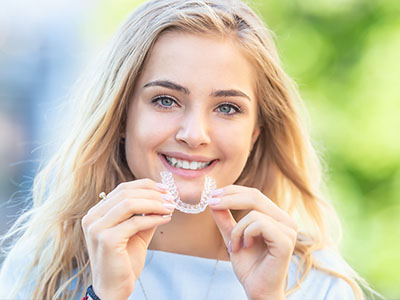
Invisalign® offers a modern alternative to traditional braces by using a series of clear, removable aligners to shift teeth toward a healthier, more balanced alignment. For many adults and teens, this option blends clinical precision with everyday convenience — treatment is planned digitally, executed in small steps, and reviewed by a dental professional at regular intervals.
This page explains how clear aligner therapy works, what to expect during treatment, how to manage aligners in daily life, and why careful provider selection matters. The goal is to give you practical, fact-based information so you can decide whether Invisalign® is a suitable path for your smile.
Invisalign® for Teens

Invisalign® for Brides

Invisalign® for Travelers
Before & After Photos
Invisalign® Videos
FAQs
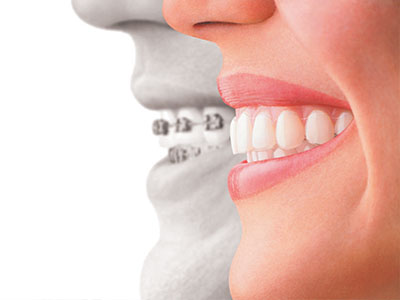
Invisalign® vs Braces
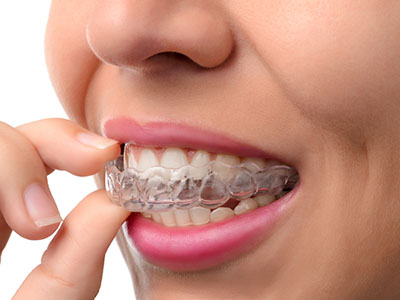
Invisalign® vs Direct-To-Consumer Aligners
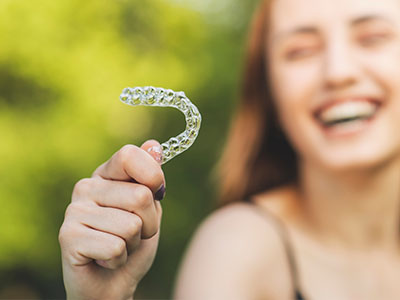
Is Invisalign Right For Me?

Invisalign Costs
Invisalign® treatment is built on a digital workflow that begins with a precise scan of your teeth. That scan is used to create a step-by-step plan that shows how each tooth will move from its current position to the intended final alignment. Having a complete plan up front helps your provider sequence movements and anticipate adjustments throughout treatment.
The aligners themselves are manufactured as a set of clear trays, each one shaped to apply gentle, targeted forces to specific teeth. You wear each aligner for a defined period before switching to the next in the series, and this gradual progression is what produces predictable results over time.
Because the system is driven by 3-D planning tools and high-resolution fabrication, the fit and intended tooth movement for each aligner are precisely controlled. This level of planning supports a broad range of orthodontic corrections, from minor crowding to more involved alignment issues when clinically appropriate.
The starting point for an effective aligner plan is an accurate record of your mouth. Today's practices use digital scanners or high-quality impressions to capture the position of teeth and soft tissues. These data feed into software that simulates tooth movement and lets the clinician review and refine the plan before any aligners are produced.
During planning, your clinician identifies which teeth need force and in what sequence to achieve the desired final positions. The virtual plan can be adjusted to account for tooth anatomy, bite relationships, and the presence of restorations or implants, ensuring the approach is tailored to your individual needs.
Once the plan is finalized, each aligner in the series is fabricated to reflect incremental changes. Because these trays are custom-made for your mouth, they provide consistent contact and pressure where needed while remaining nearly invisible during wear.
Your first consultation will typically include an examination, a discussion of treatment goals, and a digital scan or impressions. From there, the clinician prepares the treatment plan and shares a visual preview of expected progress. This preview can help clarify realistic timelines and the nature of the movements involved.
Follow-up visits occur at regular intervals to monitor progress, make any minor refinements, and supply subsequent sets of aligners. These check-ins are important to ensure the teeth are responding as planned and to address any questions about comfort or wear habits.
Treatment length varies with the complexity of the case and how consistently aligners are worn. Clinical supervision throughout the process keeps the approach safe and effective, and adjustments can be made when necessary to maintain predictable outcomes.
One of the main advantages of clear aligners is their removability. You can take them out to eat, brush, and floss, which simplifies oral hygiene compared with fixed appliances. That means you can maintain your regular cleaning routine without navigating wires or brackets.
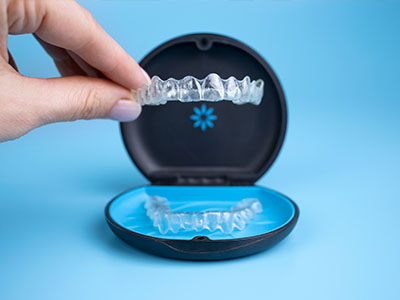
Practical care tips include rinsing aligners before reinserting them, brushing them gently with a soft brush, and storing them in a protective case when they’re not in use. Avoid hot water or harsh chemicals that can warp or damage the trays.
Wearing aligners as prescribed — typically most of the day and night — is essential for steady progress. Minor soreness or pressure is normal when switching to a new aligner, and it usually eases within a day or two as your teeth adapt to the new position.
Clear aligner therapy relies on advances in digital imaging, treatment simulation, and precision fabrication. These tools let clinicians plan multi-stage movements and evaluate tooth-by-tooth changes before treatment begins, which enhances predictability compared with trial-and-error approaches.
Because manufacturers analyze large sets of anonymized treatment data, they continually refine materials and staging strategies to improve comfort and efficiency. Clinicians benefit from these innovations by applying evidence-informed techniques when designing each patient’s plan.
Nonetheless, the technology is a tool — clinical judgment and experience remain critical. A skilled provider interprets digital data, decides when attachments or auxiliaries are needed, and monitors biological responses to ensure movements occur safely.
Selecting the right clinician matters because successful aligner therapy combines technology with hands-on clinical oversight. Look for a provider who explains the treatment sequence clearly, demonstrates proficiency with the digital planning tools, and outlines how progress will be reviewed throughout care.
While the aligners themselves are standardized products, differences in clinical decision-making — such as planning for attachments, refinements, or the use of auxiliaries — influence outcomes. An engaged clinician will set realistic expectations and maintain open communication from consultation to completion.
City Smiles Dental offers a patient-centered approach that emphasizes careful planning and ongoing supervision. If you value a practice that blends modern digital workflows with attentive clinical oversight, that combination can help deliver a streamlined and comfortable treatment experience.
As pioneers in aligner development, Align Technology and other leaders in the field use aggregated clinical information to refine materials and staging protocols. That ongoing research supports aligners that are more comfortable, better fitting, and able to address a wide variety of alignment challenges when applied appropriately.
Because aligners are made to the specifications of your plan, each tray contributes a controlled, incremental movement. Regular review visits and the possibility of refinement trays ensure that treatment can adapt if adjustments are needed along the way.
And, because the aligners are removable for short periods, you can maintain normal eating habits and oral hygiene throughout treatment, which supports overall dental health while your teeth are moving.

The process begins with an in-depth clinical exam and a digital scan or impression. These records capture the starting point and allow your clinician to create a full treatment plan before any aligners are made.
During this visit, your clinician will review bite relationships and identify any restorative or periodontal considerations that should be addressed before or during aligner therapy.
Clear communication at this stage helps align expectations about movement sequences, anticipated milestones, and how progress will be monitored.
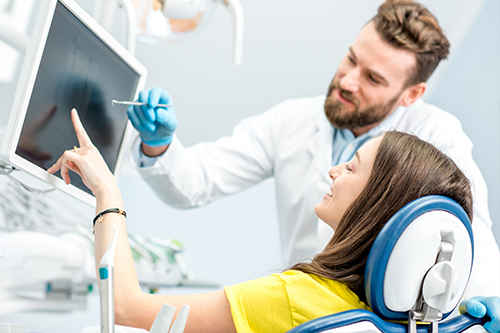
Once records are taken, a custom treatment plan is developed and reviewed with you. The plan often includes a visual preview that illustrates the intended progression of tooth movement.
This preview provides a practical roadmap for both clinician and patient, allowing for discussion about timing, attachments, and any required refinements before fabrication begins.
Understanding the steps in advance reduces surprises and supports shared decision-making throughout care.
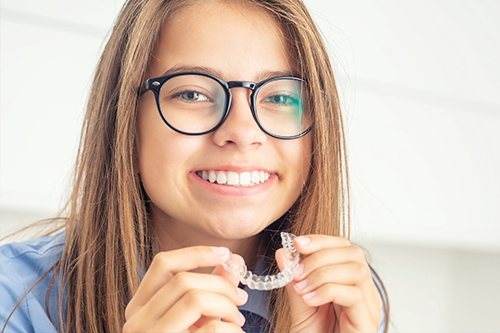
Aligners are created to fit snugly and apply gentle forces where needed. Materials and trimming techniques are chosen with patient comfort in mind, balancing effectiveness with day-to-day wearability.
Attachments or small composite bumps may be placed on specific teeth to improve force application; these are designed to be discreet and functional.
Good fit and careful design help reduce irritation and maintain compliance over the course of treatment.

As treatment progresses, periodic reviews confirm that movements are tracking with the plan. If necessary, the clinician can request refinements to fine-tune the result and ensure optimal function and aesthetics.
After the active phase, retention strategies are implemented to help stabilize the outcome and protect the investment of time and care.
Your clinician will explain retention options and the follow-up schedule so you understand how to maintain your new alignment long term.
*Invisalign® is a registered trademark of Align Technology, Inc.
Ready to learn more about whether Invisalign® is right for you? Contact us for more information and to schedule a consultation — our team is available to walk you through the process and answer any questions you may have.
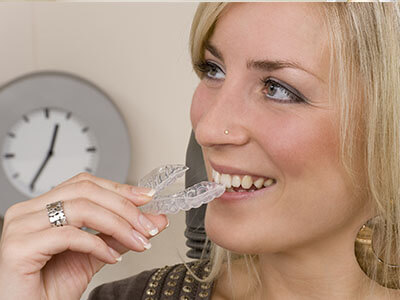
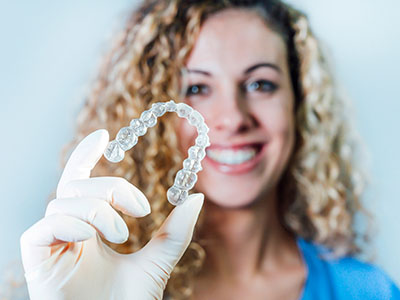
Invisalign® uses a series of clear, removable aligners to move teeth incrementally from their current positions to a planned final alignment. Each aligner applies gentle, targeted forces to selected teeth based on a digital treatment plan, and you switch to the next tray in the series at prescribed intervals to continue progress. Because the system is driven by 3-D scanning and fabrication, movements are visualized in advance and staged to achieve predictable results.
The aligners are nearly invisible and removable for eating and cleaning, which differentiates them from fixed braces while preserving oral hygiene routines. Treatment can address a wide range of alignment issues when clinically appropriate, from mild crowding to more complex tooth movements that the clinician has planned for. Clinical supervision and occasional refinements help ensure the planned changes occur safely and effectively throughout care.
Good candidates for Invisalign® include adults and teens who have alignment concerns such as crowding, spacing, mild to moderate bite irregularities, or tooth rotation that can be corrected with aligner therapy. Suitability depends on the specific orthodontic problem, the condition of surrounding teeth and gums, and the presence of restorations or implants that may affect movement. A thorough clinical exam and digital records let the clinician determine whether clear aligners are the right choice or if an alternative approach is preferable.
Patient cooperation is a key factor in success because aligners must be worn as directed to produce the planned movements; inconsistent wear can prolong treatment or reduce predictability. For younger patients, growth and eruption patterns are considered when assessing candidacy, and in some cases additional orthodontic tools or staged treatment may be recommended. The clinician will explain realistic expectations and any preparatory care needed before beginning aligner therapy.
Treatment begins with a detailed digital scan or high-quality impressions to capture the exact position of teeth and soft tissues, which are then imported into treatment planning software. The clinician uses the software to simulate step-by-step tooth movements, refining the sequence and staging to account for tooth anatomy, bite relationships, and any restorations or periodontal considerations. This virtual plan becomes the blueprint for fabricating each custom aligner in the series.
During planning, the provider decides if attachments, interproximal reduction, or auxiliaries are needed to accomplish certain movements, and those elements are included in the setup. Once the plan is approved, the aligners are produced to reflect the incremental changes, providing consistent contact and pressure where required. Periodic reviews allow for refinements if the teeth do not track exactly as predicted, preserving treatment accuracy.
The initial consultation typically includes a clinical exam, discussion of your goals, and a digital scan or impressions to document your starting point. Your clinician will review the proposed treatment plan, show a visual preview of anticipated movements, and explain how progress will be monitored during follow-up visits. This conversation helps set realistic expectations about outcomes, potential need for attachments, and the overall care pathway.
Before any aligners are delivered, the team will address oral health needs such as cavities, gum inflammation, or restorative issues that could affect treatment success. You will receive instructions on aligner wear, care, and what to do if you experience fit or comfort concerns. Regular check-ins are scheduled to monitor tracking and to provide subsequent aligner sets or refinements as needed.
Treatment length varies widely depending on the complexity of the correction, how much tooth movement is required, and the patient's adherence to the prescribed wear schedule. Simpler cases with minor adjustments typically complete more quickly, while more involved movements or bite corrections require additional staging and monitoring. The clinician provides a projected timeline based on the digital plan, but that estimate can change if refinements are needed or if teeth do not track as expected.
Consistent wear of the aligners as instructed is one of the most important factors in staying on schedule; skipping wear or extended breaks will slow progress. Biological factors, such as bone density and individual tooth response, also influence how efficiently teeth move. Ongoing clinical supervision allows the team to identify deviations early and implement refinements to keep the treatment moving toward the desired result.
Caring for aligners is straightforward: remove them to eat and drink anything other than water, rinse them before reinserting, and store them in a protective case when not being worn. Clean aligners daily using a soft toothbrush and lukewarm water or manufacturer-recommended cleaning solutions, avoiding hot water or harsh chemicals that can warp or damage the trays. Maintaining your regular oral hygiene routine of brushing and flossing is easier with removable aligners than with fixed appliances, helping reduce the risk of decay and gum inflammation during treatment.
Keep regular hygiene and dental checkups as advised by your clinician to monitor oral health and address any issues promptly. If you notice persistent staining, odor, or fit problems, contact the practice for guidance rather than attempting home repairs. Proper care of both your teeth and aligners supports comfort, aesthetics, and predictable movement throughout the treatment course.
Mild soreness or pressure is common when you switch to a new aligner because the trays are applying force to move teeth; this sensation usually peaks within the first day or two and then subsides as your mouth adjusts. Discomfort is generally less intense than what many patients experience with traditional braces, and it can often be managed with over-the-counter pain relief and short-term soft-food choices if needed. Properly fitting aligners and careful trimming around soft tissues help reduce irritation and improve day-to-day comfort.
If sharp soreness, persistent pain, or tissue irritation occurs, contact the clinician so the fit can be evaluated and adjusted if necessary. Small rough spots or edge issues can usually be smoothed quickly in the office to restore comfort. Regular follow-up visits also let the provider monitor how your tissues are adapting and make any required refinements to the plan or appliances.
Attachments are small composite bumps bonded to teeth that give aligners a better surface to grip, enabling more complex movements such as rotations or extrusions. Auxiliaries may include elastics or temporary anchorage devices used in specific bite corrections, and these tools are selected when the planned movements cannot be achieved with trays alone. Refinements are additional sets of aligners created after the initial series when final adjustments are needed to fine-tune alignment and optimize the outcome.
The decision to use attachments, auxiliaries, or refinements is part of the clinician's treatment planning and is based on the biomechanics required for each tooth movement. These supplemental measures are routine and enhance predictability when applied appropriately, and your clinician will explain their purpose and placement during the planning or review visits. Transparent communication about these elements helps patients understand the steps needed to reach the desired result.
After the active aligner phase, retention is essential to maintain the new tooth positions because teeth have a natural tendency to shift. Retention strategies commonly include removable retainers, fixed lingual retainers bonded behind the teeth, or a combination of both depending on the movements completed and the clinician's assessment. The provider will recommend a schedule for retainer wear and follow-up checks to ensure long-term stability.
Adhering to the retention plan is the most reliable way to protect the investment of time and care that went into aligning the teeth. Periodic reviews allow the clinician to monitor retention device function and address any minor settling early. Good oral hygiene and prompt attention to any retainer fit issues help preserve both aesthetics and function after treatment.
Select a clinician who combines training with hands-on experience in digital planning and aligner biomechanics, and who provides clear explanations of the treatment sequence and follow-up schedule. Ask about the specific digital tools they use, how they handle refinements and attachments, and how progress is monitored during care so you can evaluate their clinical approach. Request to see examples of treatment plans or visual previews, not testimonials, to understand how they translate digital simulations into real-world supervision.
Because clinical decision-making influences outcomes, choose a practice that emphasizes patient communication and ongoing oversight rather than a strictly hands-off model. If you prefer to visit a local office, our practice in Waterdown offers digital scanning, individualized treatment planning, and routine clinical supervision to guide aligner therapy from consultation to retention. Discussing these topics during your consultation will help you find a provider whose process and standards align with your expectations.