Call Us Today!
(905) 689-7474

Our Office
Visit Us Online


Advances in dental materials and prosthetic techniques have made replacing missing teeth more predictable and natural-looking than ever. While fixed solutions such as dental implants and bridges can be excellent options for many patients, removable dentures continue to be a reliable and adaptable choice for restoring function and appearance.
At the office of City Smiles Dental, we design dentures with attention to fit, comfort, and facial balance. Every prosthesis is crafted to help you speak clearly, eat with confidence, and enjoy a smile that complements your features.
We focus on personalized care—matching the right denture type and fabrication approach to each patient’s oral health, goals, and daily routines. Whether you need a partial or a full denture, the goal is the same: a solution that feels secure and restores the freedom to live without limits.
Losing one or more teeth changes more than the look of your smile. Gaps can affect how your jaw functions, how you chew, and even how you form certain sounds. Over time, missing teeth can shift the forces in the mouth and alter the way remaining teeth sit in the dental arch.
Beyond mechanics, tooth loss often influences nutrition and social confidence. Difficulty chewing may steer people away from certain nutritious foods, and changes in appearance or speech can reduce the enjoyment of social interactions. Replacing missing teeth helps restore practical function and supports emotional well-being.
Another important consequence to consider is the gradual change in jawbone and soft tissue contours that can follow tooth loss. Without stimulation from roots or implants, underlying bone may remodel, which affects facial support and the way prostheses fit over time. Early planning for tooth replacement helps manage these changes more predictably.
Dentures are removable prosthetic devices made up of artificial teeth set in a supportive base that rests on the gums. The base is shaped to distribute chewing forces evenly and to provide esthetic support for the lips and cheeks, helping to maintain a natural facial profile.
One of the distinct advantages of removable dentures is that they can replace a single missing tooth, several gaps, or a whole arch of teeth. Because they are removable, dentures are taken out for cleaning and allow routine care of the underlying gums and any remaining natural teeth.
Modern denture materials and fabrication techniques offer lifelike tooth shapes, shades, and gum coloring to achieve an appearance that blends naturally with your features. Properly made dentures also prioritize stability and balanced bite relationships so speech and chewing are comfortable and efficient.
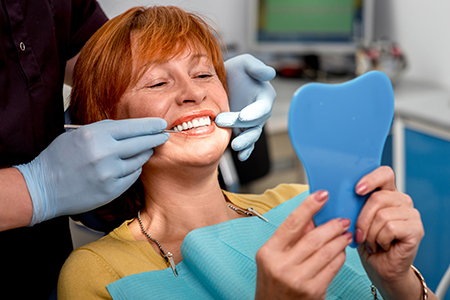
Selecting the appropriate denture style starts with a careful evaluation of your oral health, the condition of any remaining teeth, and the structure of the jaw. A tailored treatment plan considers function, aesthetics, and long-term tissue health to determine whether a partial or full denture is the most suitable option.
Full or complete dentures replace all of the teeth in the upper, lower, or both arches. When all natural teeth are absent or require extraction, a complete denture can restore a full smile and provide essential support for the lips and cheeks.
Partial dentures are used when some healthy natural teeth remain. They plug the gaps left by missing teeth and help stabilize the remaining dentition to prevent unwanted drifting or tilting. Partial frameworks can be created from a range of biocompatible materials to match a patient’s needs for comfort, strength, and discreet appearance.
Complete dentures can be fabricated on a timeline that best suits a patient’s clinical situation. A conventional approach waits for healing after extractions before making the final prosthesis, which can yield a precise fit once tissues have stabilized.
Immediate denture
An immediate denture is placed at the time teeth are removed so you do not remain without teeth during healing. It provides an immediate cosmetic and functional restoration, though relines and adjustments are commonly needed as tissues remodel.
Overdentures and tooth-supported designs
When suitable natural roots or crowns remain, an overdenture can use those structures for added support and retention, improving stability and preserving bone in key areas.
Implant-supported dentures
Implant-retained solutions attach the denture to surgically placed titanium anchors when clinically appropriate. These designs markedly increase retention and chewing efficiency and can be planned to meet specific functional goals.
Partial denture design is highly individualized. The framework, retentive elements, and choice of materials are selected to achieve a balance between discreet appearance and dependable function. Clasps and precision attachments can be used where appropriate to improve comfort and esthetics.
Careful planning ensures partial dentures preserve the health of the remaining teeth while restoring proper biting relationships. With contemporary materials, patients have more options than in the past, including flexible and hybrid frameworks that prioritize comfort.
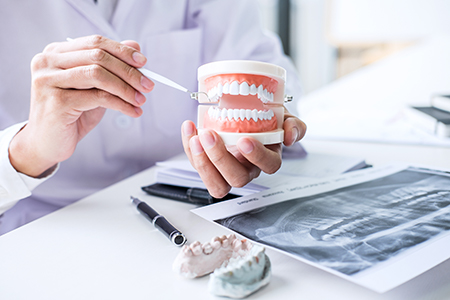
Making an effective denture blends clinical science with attention to individual preferences. The process begins with a comprehensive assessment of oral tissues, jaw relationships, and any remaining teeth, paired with a conversation about your daily habits and aesthetic goals.
Diagnostic tools such as digital imaging and careful impression techniques allow clinicians to plan tooth position, bite relationships, and the contours of the denture base to ensure predictable function. When pre-prosthetic procedures are needed to optimize the foundation for a denture, those steps are discussed and coordinated as part of the care plan.
Throughout fabrication, trials and adjustments are used to refine comfort and appearance. This iterative approach helps ensure the final prosthesis supports clear speech, comfortable chewing, and a natural-looking smile that complements your facial features.
Our team places a high value on long-term success, which means planning for future changes in oral tissues and discussing options for added retention or support when indicated.

Receiving a new denture is the start of a short adjustment period. It’s common to need a few visits for small refinements after first wearing the prosthesis. These follow-ups let your clinician address sore spots, balance the bite, and improve comfort so daily activities return to normal.
Getting comfortable with your denture
Some initial awareness of the appliance is normal—speaking and chewing may feel different at first. Practicing aloud and beginning with soft foods helps speed adaptation. Over a few days to weeks, the mouth typically becomes accustomed to the new prosthesis.
Maintaining cleanliness and tissue health
Rinse dentures after meals and brush them daily with a brush designed for prostheses. Clean any remaining teeth and gently care for gums and the roof of the mouth. Remove dentures at night to allow tissues to rest and to lower the risk of irritation.
Managing fit over time
As tissues remodel, relining or other adjustments may be necessary to restore a comfortable, secure fit. In some cases, enhanced retention—such as implant support—can be considered to improve stability and function.
Regular checkups
Routine dental visits let us monitor the condition of your denture, the health of any remaining teeth, and the status of soft and hard tissues. These exams support early detection of issues and help maintain the long-term success of your prosthesis.
At City Smiles Dental, our focus is on thoughtful planning, precise execution, and attentive follow-up to help you enjoy a reliable, natural-looking denture. If you have questions about denture options or what the process would look like for you, please contact us for more information.

Dentures are removable prosthetic devices that replace missing teeth and the surrounding gum tissue. They consist of artificial teeth set into a supportive base that rests on the gums and distributes chewing forces. Well designed dentures restore basic oral function and help maintain facial contours affected by tooth loss.
Because dentures are removable, they allow for routine cleaning of both the prosthesis and the underlying tissues. Modern materials and fabrication techniques provide lifelike tooth shapes and gum coloration to create a natural appearance. Proper fit and occlusal balance are important to support clear speech and comfortable chewing.
Denture styles include full (complete) dentures that replace all teeth in an arch and partial dentures that fill gaps while preserving remaining teeth. Immediate dentures are fitted at the time of extractions to avoid a period without teeth, though adjustments are often needed as tissues heal. Overdentures and implant-supported designs use retained roots or implants to improve stability and chewing efficiency.
Materials vary from traditional acrylic bases and resin teeth to hybrid and flexible frameworks that prioritize comfort and strength. Selection of a specific style is based on oral health, jaw structure, the condition of remaining teeth, and the patient's functional goals. A personalized plan balances aesthetics, retention, and long-term tissue health for predictable outcomes.
A candidacy evaluation for dentures begins with a comprehensive oral exam to assess gum health, the condition of remaining teeth, and jawbone support. Active infections or uncontrolled gum disease are addressed first, since healthy tissues are important for predictable denture fit. Bone volume and ridge shape influence retention and may lead to discussion of implant assistance when appropriate.
Other factors such as manual dexterity, daily habits, and expectations for speech and diet are also considered when recommending a denture solution. If extractions or pre-prosthetic procedures are needed, clinicians will outline a timeline that minimizes disruption while optimizing long-term results. An individualized treatment plan helps ensure the chosen denture type matches both health needs and lifestyle preferences.
The process of getting dentures starts with a detailed consultation that includes digital imaging, diagnostic records, and impressions of the mouth. Clinicians use these records to plan tooth positions, bite relationships, and the contours of the denture base for optimal function. Try-in appointments allow refinement of tooth arrangement and aesthetics before the final prosthesis is processed.
When extractions or other preparatory procedures are required, options such as conventional or immediate dentures are discussed to suit the clinical situation. At City Smiles Dental, the team coordinates pre-prosthetic care, fabrication, and follow-up adjustments to support predictable outcomes. Multiple follow-up visits are common to fine-tune fit, address sore spots, and ensure comfortable speech and chewing.
Daily care for dentures includes rinsing after meals and brushing the prosthesis with a denture brush and nonabrasive cleanser to remove food debris and biofilm. Removing dentures at night allows soft tissues to rest and reduces the risk of irritation or infection. Clean any remaining natural teeth, gums, and the roof of the mouth with a soft brush to maintain overall oral health.
When not worn, dentures should be stored in water or a recommended soaking solution to prevent warping and to keep them hygienic. Avoid hot water, abrasive toothpaste, and harsh household cleaners that can damage denture materials. Regular professional exams let clinicians assess tissue health and recommend cleansers or adjustments tailored to each patient's needs.
Adjustment to new dentures commonly takes several days to a few weeks as the mouth adapts to the appliance. Speech may feel altered initially, and practicing aloud along with gradual progression from soft to firmer foods can speed adaptation. Minor sore spots and areas of pressure are normal early on and typically resolve after clinical adjustments.
Follow-up visits are important to evaluate bite balance and to perform relines or reshaping that improve comfort and stability. If persistent discomfort, difficulty eating, or speech problems continue, clinicians will investigate fit, occlusion, and tissue changes. Timely adjustments reduce the risk of chronic irritation and help the denture perform as intended.
Implant-supported dentures attach to dental implants or retained roots to significantly increase retention and chewing function compared with conventional removable dentures. These prostheses can be fixed in place or designed as removable overdentures that lock onto implant attachments for added security. Implant support also helps preserve bone by transferring functional forces to the jaw in a way that mimics natural tooth roots.
Not every patient is a candidate for implant-supported solutions; candidacy depends on bone volume, general health, and treatment goals. The approach requires surgical placement of implants followed by a healing period before attaching the prosthesis, and clinicians will review the clinical steps and expected timelines. When appropriate, implant assistance can transform comfort and function for patients who struggle with conventional denture retention.
Partial dentures are designed to blend with remaining natural teeth while preventing unwanted movement of adjacent teeth into the empty space. Frameworks use clasps, precision attachments, or flexible materials to provide retention without compromising tooth health or aesthetics. Careful occlusal planning ensures the partial restores proper biting relationships and distributes forces evenly across the arch.
Preservation of the remaining teeth is a priority, so design choices aim to minimize stress on abutment teeth and support long-term oral health. Good oral hygiene, routine dental visits, and prompt attention to any loose components help preserve both the partial denture and the natural teeth that support it. When multiple design options exist, clinicians explain the trade-offs in appearance, comfort, and maintenance so patients can make an informed choice.
Jawbone and soft tissue contours change over time after tooth loss, which can affect the fit of a denture and the facial profile. Reline procedures, rebasing, or fabrication of a new prosthesis are common methods to restore intimate fit as tissues remodel. In some situations, adding implant support can stabilize a denture and reduce the frequency of relines caused by ongoing bone changes.
Signs that fit has become compromised include slipping during chewing, new sore spots, or changes in speech, and these should prompt a dental evaluation. Routine monitoring allows clinicians to plan adjustments early and to recommend interventions that preserve comfort and function. Maintaining communication with your dental team ensures long-term success through timely care and adaptation to changing oral conditions.
Denture longevity depends on material, wear patterns, and changes in oral tissues, so replacement intervals vary between individuals. Many dentures remain functional for several years but require periodic relines, repairs, or eventual replacement to maintain optimal fit and function. Regular dental checkups let clinicians assess wear, occlusion, and tissue health and advise on the appropriate timing for maintenance or renewal.
The team at City Smiles Dental recommends scheduling routine visits so any concerns with fit, hygiene, or comfort can be addressed promptly. During these visits your clinician reviews hygiene practices and performs any necessary adjustments to support continued oral health. Open communication and routine care help ensure prostheses perform well and continue to meet patients' functional and aesthetic needs.