Call or Text Us Today!
(905) 689-7474

Our Office
Visit Us Online


When a tooth’s surface has been weakened by decay or minor damage, a filling restores its strength, shape, and function while helping to prevent further problems. Modern fillings rebuild the tooth so you can chew comfortably and maintain a natural-looking smile without compromising oral health.
Tooth decay remains a common health issue across all ages, so restorative treatments like fillings are among the most frequently performed dental procedures. Although the steps are routine, each restoration is tailored to the individual tooth and patient to deliver a durable, long-term result.
At City Smiles Dental, our approach combines careful diagnosis with minimally invasive techniques. We focus on conserving healthy tooth structure, selecting materials that match your needs, and explaining each step so you know what to expect from preparation through placement.
Human efforts to repair damaged teeth date back millennia, but the materials and methods available today are the result of steady scientific progress. Early restorations relied on metals and rudimentary materials; since the 19th century, a wider range of alloys and tooth-colored options has transformed how dentists restore form and function.
Over recent decades, emphasis has shifted toward materials that are both biocompatible and visually discreet. Advances in adhesive chemistry and ceramic technologies have given clinicians tools to create restorations that are strong, long-lasting, and better integrated with the natural tooth surface.
Every restoration we place is planned with three primary goals: remove disease, preserve healthy tissue, and restore the tooth in a way that looks and functions naturally. We present all appropriate options and explain the pros and cons of each material so patients can make an informed choice.
Our team emphasizes conservative preparation and precision placement to minimize future problems. Using up-to-date bonding systems, curing lights, and finishing techniques helps ensure that restorations perform well and blend seamlessly with the surrounding tooth structure.
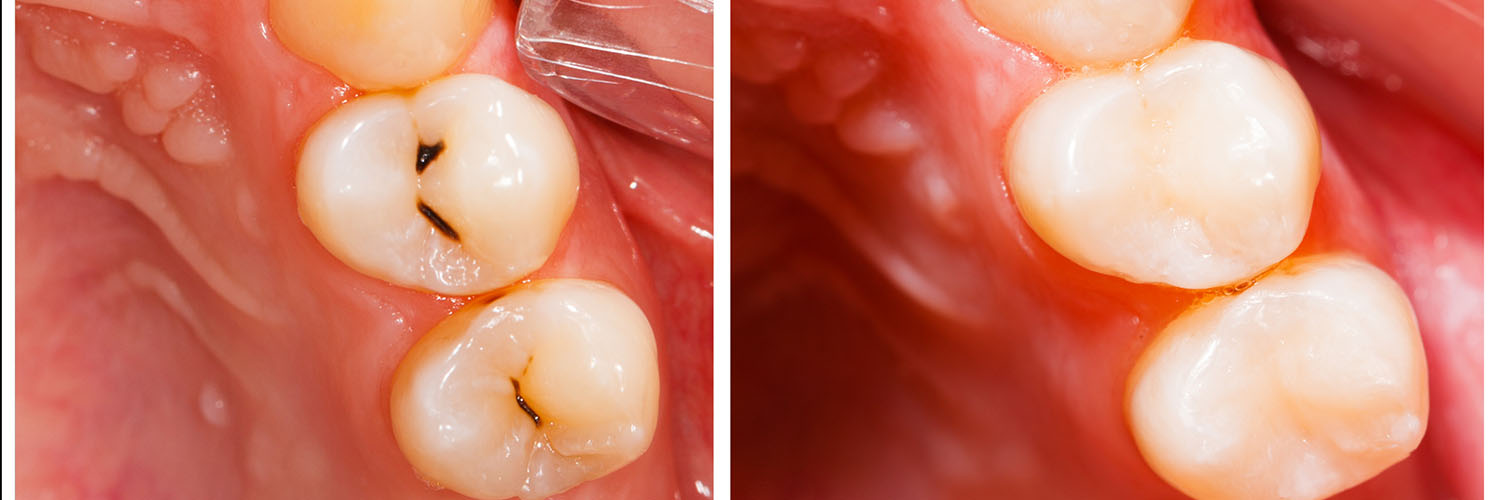
Not all fillings are the same. Materials differ in strength, wear-resistance, appearance, and the way they interact with the remaining tooth. Selecting the right option depends on the size and location of the cavity, bite forces, esthetic priorities, and the tooth’s overall condition.
Our goal is to match the material to the clinical situation: a back tooth that endures heavy chewing may require a different solution than a front tooth where appearance is paramount. We explain why a particular material is recommended so the decision aligns with your expectations for durability and appearance.
Composite restorations are made from resin blended with glass or ceramic fillers and are designed to mimic the color and translucency of natural enamel. They are placed directly in the prepared tooth and hardened with a curing light, allowing for conservative preparations that preserve more healthy structure.
Because composites bond to tooth enamel and dentin, they can reinforce weakened tooth walls. They are versatile—used for small to moderate cavities and cosmetic corrections—but may show wear or staining over many years and can require maintenance or replacement eventually.
Amalgam has a long track record for durability and resistance to compressive forces, which historically made it a common choice for large cavities in back teeth. While its metallic appearance makes it less suitable for visible areas, amalgam remains a robust option in situations where lasting strength is the priority.
Glass ionomer materials adhere chemically to tooth structure and release small amounts of fluoride, which can help protect the tooth from further decay. They are often used in areas with limited chewing pressure, for restorations near the gumline, and in pediatric dentistry where a quick, adhesive solution is beneficial.
These materials are generally less wear-resistant than composites and ceramics, so they are selected when the clinical benefits outweigh long-term wear considerations.
Ceramic options are fabricated outside the mouth and then bonded into place as inlays or onlays. These indirect restorations offer excellent aesthetics and high resistance to staining and wear. They are a conservative alternative to full crowns when significant tooth structure remains.
Because they are made from high-quality dental porcelain, ceramic restorations can closely reproduce natural tooth anatomy and color for results that are both functional and pleasing to the eye.
Gold restorations are less common today but are noted for their longevity and excellent mechanical properties. In select clinical scenarios where maximal strength and long-term stability are needed, metallic restorations remain a viable option and can be discussed if appropriate.
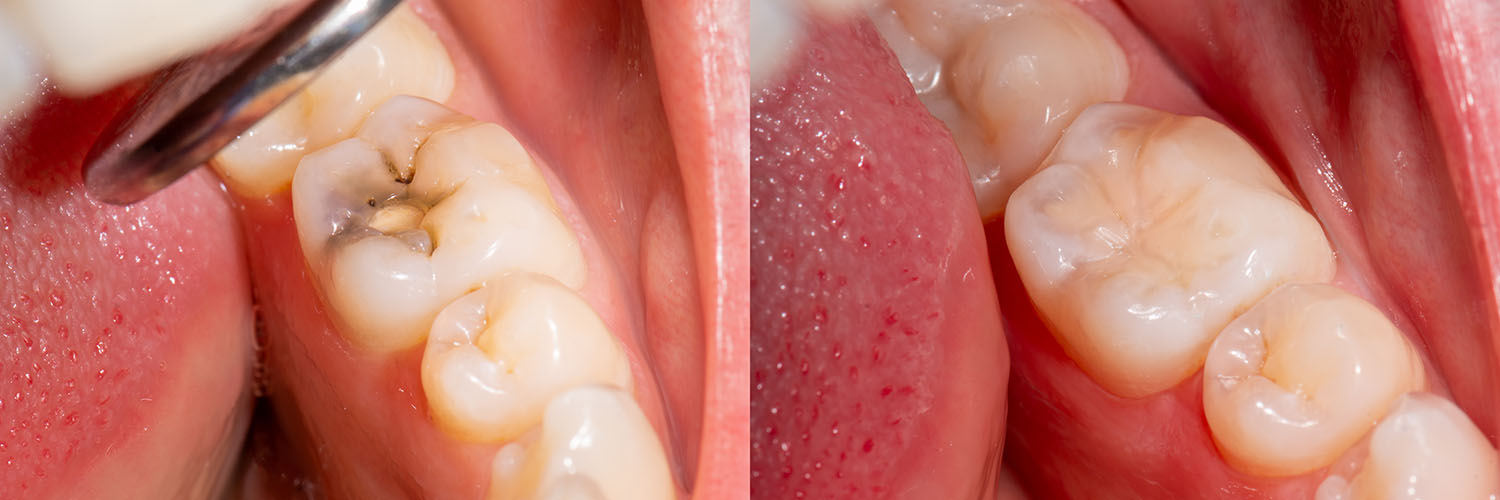
When a potential cavity is identified, the process begins with a careful examination and, if needed, diagnostic imaging. We’ll review the findings with you and recommend a treatment plan that balances preservation of the tooth with predictable long-term performance.
Treatment typically involves numbing the area with a local anesthetic so the procedure is comfortable. Decay is removed with precision instruments—handpieces, lasers, or air-abrasion tools depending on the situation—and the tooth is shaped to receive the chosen restoration.
Placement methods vary by material. Direct fillings such as composite or glass ionomer are inserted and cured in layers, then finished and polished. Indirect restorations are fabricated in a dental laboratory and bonded during a follow-up visit. Throughout, adjustments are made to ensure your bite feels natural and the restoration integrates well with adjacent teeth.
For patients who feel anxious, we’re glad to discuss measures that improve comfort, including relaxation techniques and other options appropriate for the individual. Our focus is a calm, respectful experience with clear explanations at each stage.
Following the placement of a filling, it’s normal for the treated tooth to feel slightly different for a few days while you adapt. Brief sensitivity to temperature or pressure is common as the surrounding tissues settle; this typically resolves on its own.
Protecting the treated area while numb is important. Avoid eating until sensation returns to prevent accidental biting of the cheek, lip, or tongue. Once normal feeling has returned, gentle use of the tooth is encouraged to allow the material to fully integrate with daily function.
Good oral hygiene—regular brushing with a fluoride toothpaste, daily flossing, and routine professional cleanings—helps extend the life of any restoration. Avoid chewing very hard objects or using teeth as tools, which can damage both natural teeth and restorations.
Protect numb tissues for a short time
Remain cautious while the anesthetic wears off to avoid accidental biting of lips or tongue.
Expect temporary sensitivity
Sensitivity to hot, cold, or pressure can occur for a few days. If sensitivity increases or does not improve, contact our office for evaluation.
Care and maintenance matter
Routine home care and regular dental check-ups help identify early wear or marginal breakdown so restorations can be maintained before larger problems develop.
Adjustments are normal
Occasionally a small bite adjustment or polish may be needed after the restoration has been in use for a short time. If something feels off, reach out so we can make refinements.
We strive to deliver restorative care that balances function, comfort, and appearance. If you have questions about what to expect during healing or how best to care for a new filling, please contact our office for more information.
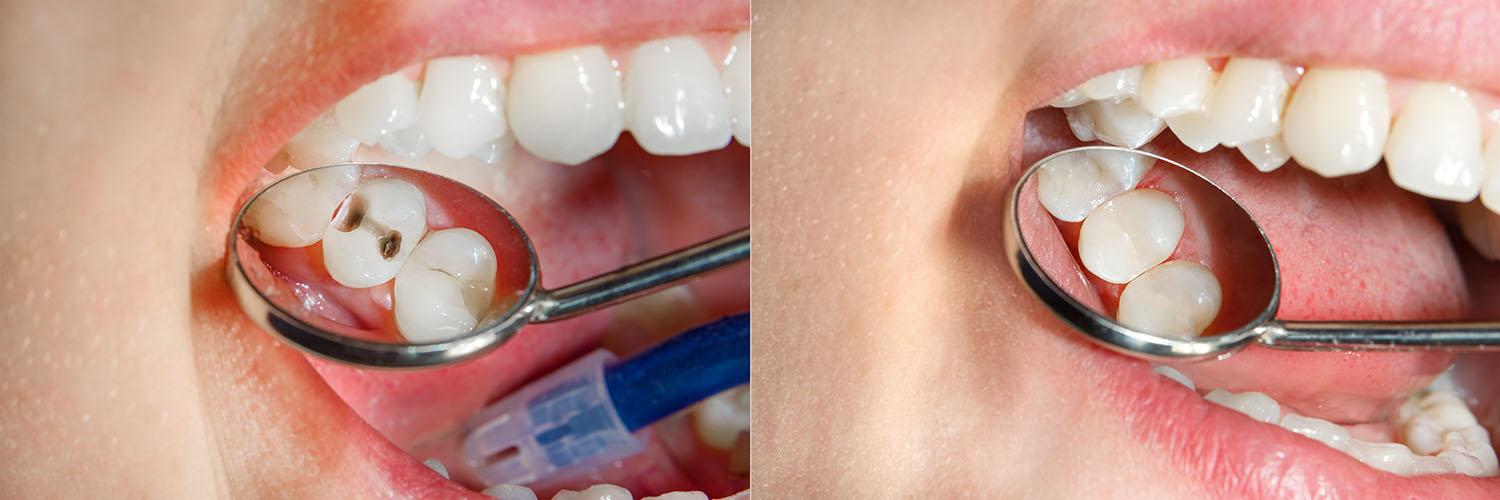
In summary, modern dental fillings are designed to restore teeth reliably while preserving as much natural structure as possible. Our team at City Smiles Dental is committed to clear communication, careful technique, and selecting materials that meet each patient’s needs. Contact us for more information about restorative options or to discuss the best approach for a specific tooth.

Dental fillings are restorative materials placed into a tooth to replace structure lost to decay or minor damage and to restore normal function. They stop the progression of decay by sealing the affected area and allow the tooth to withstand normal chewing forces. Fillings are typically recommended when a cavity is detected during an exam or on a radiograph and the damage is not extensive enough to require a crown or more advanced treatment.
The decision to place a filling is based on the size and location of the lesion, the tooth's remaining strength, and the patient's overall oral health. Early intervention often allows for a more conservative restoration that preserves more natural tooth structure. Regular dental exams and timely treatment help prevent small cavities from becoming larger problems that require more complex care.
Common filling materials include tooth-colored composite resin, glass ionomer cement, amalgam (silver), ceramic inlays and onlays, and gold or other metal restorations. Composites are esthetic and bond to the tooth, glass ionomer releases fluoride and bonds chemically, amalgam offers long-term durability in high-stress areas, and ceramic or gold restorations are fabricated indirectly for superior strength and longevity. Each material varies in appearance, wear resistance, bonding properties, and suitability for different clinical situations.
When recommending a material, clinicians weigh factors such as cavity size, location in the mouth, bite forces, esthetic priorities, and the amount of healthy tooth structure remaining. Advances in adhesive dentistry and ceramics have expanded options for durable, natural-looking restorations. Your dentist will explain the pros and cons of each option so your choice aligns with functional needs and cosmetic expectations.
Treatment begins with a careful examination and any needed diagnostic imaging to confirm the extent of decay. The tooth is then anesthetized to ensure comfort, and decayed tissue is removed using handpieces, lasers, or air-abrasion tools depending on the situation and tooth anatomy. The prepared cavity is cleaned and, when indicated, a bonding agent is applied before the chosen restorative material is placed.
Direct materials such as composite or glass ionomer are placed in layers and cured with a light, then shaped and polished for proper contact and contour. Indirect restorations like ceramic inlays or onlays are fabricated in a dental laboratory and bonded in a follow-up visit to achieve a precise fit. Finally, the bite is adjusted so the restoration integrates seamlessly with adjacent teeth and feels comfortable during function.
Composite resin materials have improved significantly and provide durable restorations for many situations, particularly for small to moderate cavities and visible front teeth. Composites bond to tooth structure, which can reinforce weakened tooth walls and allow for more conservative preparations. However, in very large restorations or in areas with extremely heavy chewing forces, metal restorations or indirect ceramic solutions may offer greater long-term strength.
The expected lifespan of any restoration depends on material properties, occlusal forces, oral hygiene, and patient habits such as bruxism or chewing hard objects. Regular dental check-ups enable early detection of wear or marginal breakdown so restorations can be maintained or replaced before more extensive treatment is needed. Your dentist will recommend the option that best balances appearance and durability for each specific tooth.
After receiving a filling, it is normal to experience mild sensitivity to temperature or pressure for a few days as the tooth and surrounding tissues adapt. Protect the numb areas until sensation returns to avoid accidental biting of cheeks or lips, and avoid very hard or sticky foods for a short period if advised by your clinician. Good oral hygiene—thorough brushing with fluoride toothpaste and daily flossing—helps protect both the restored tooth and adjacent teeth from recurrent decay.
Routine professional cleanings and periodic dental examinations are important to monitor the restoration's margins and detect early signs of wear or breakdown. If you notice persistent sensitivity, a rough edge, or a change in your bite, contact the office so adjustments or further evaluation can be performed. Prompt attention to minor concerns can prevent larger problems and extend the life of the restoration.
Inlays, onlays, and crowns are indirect restorations that are typically recommended when a cavity or fracture involves a large portion of the tooth or when a direct filling would not provide adequate strength or longevity. Inlays and onlays are conservative indirect options that restore moderate damage while preserving more natural tooth structure than a full crown. Crowns are used when the tooth has extensive structural loss, a large existing restoration, or after root canal therapy to provide complete coverage and protection.
The choice among these options depends on the amount of remaining healthy tooth, the location of the tooth in the mouth, functional demands, and esthetic considerations. Indirect restorations are fabricated in a laboratory for precise fit and then bonded to the tooth, often resulting in superior wear resistance and contour. Your dentist will assess the clinical situation and recommend the most predictable solution to restore function and prevent future complications.
It is common to experience brief sensitivity to hot, cold, or pressure after a filling as the tooth settles following treatment. This sensitivity usually peaks within the first few days and gradually diminishes over one to several weeks as the pulp adapts and any inflammation resolves. Proper placement technique and adhesive systems reduce the risk of prolonged sensitivity, but individual factors such as depth of the cavity and preexisting pulp health also influence recovery.
If sensitivity increases, persists beyond a few weeks, or is accompanied by severe pain or swelling, the tooth should be re-evaluated to rule out issues such as an improperly contoured restoration, high bite contacts, or pulp inflammation. Timely follow-up allows for adjustments, desensitizing treatments, or additional care if necessary. Maintaining communication with your dental team ensures concerns are addressed promptly and appropriately.
The selection of a filling material is individualized and considers the tooth's location, size of the cavity, functional demands, esthetic expectations, and the amount of remaining healthy structure. For visible front teeth, esthetic materials such as composite or ceramic are often preferred, while posterior teeth that endure heavy chewing may call for stronger indirect restorations. Medical history, allergy considerations, and the patient's long-term oral care plan are also part of the decision-making process.
During the consultation the clinician will explain the advantages and limitations of each option and how they relate to the specific clinical situation. This shared decision-making approach helps ensure the chosen restoration meets both clinical goals and patient preferences. When appropriate, the practice will outline follow-up care considerations and monitoring strategies to maximize the restoration's longevity.
While dental fillings are routine and generally safe, potential risks include postoperative sensitivity, marginal staining or wear, secondary decay at the margin, and, rarely, allergic reactions to specific materials. Larger restorations can also weaken tooth structure over time, potentially leading to fracture if the tooth is subjected to excessive stress or if maintenance is neglected. Proper technique, material selection, and patient home care minimize these risks and enhance the restoration's performance.
Some cases may require additional treatment such as bite adjustment, repair of a chipped restoration, or replacement if wear or recurrent decay occurs. In rare instances where the pulp becomes inflamed as a result of deep decay or restorative procedures, root canal therapy may be indicated to preserve the tooth. Regular dental examinations and prompt attention to changes in comfort or function reduce the likelihood of more complex complications.
Long-term maintenance of fillings relies on consistent oral hygiene, protection from excessive forces, and routine dental check-ups to assess restoration margins and adjacent tooth health. Avoiding habits such as biting hard objects and managing bruxism with appliances when indicated will help prevent premature wear or fracture of restorations. Professional cleanings and clinical evaluations allow the dentist to detect early signs of marginal breakdown, staining, or recurrent decay that may warrant repair.
There is no fixed lifespan for a filling, and replacement is based on clinical condition rather than an arbitrary timeline. If a restoration shows signs of leakage, recurrent decay, structural compromise, or causes discomfort, your dentist will recommend appropriate steps such as repair, refurbishment, or replacement with a more durable solution. For personalized guidance and periodic assessment, contact City Smiles Dental to schedule an evaluation with your dental team.